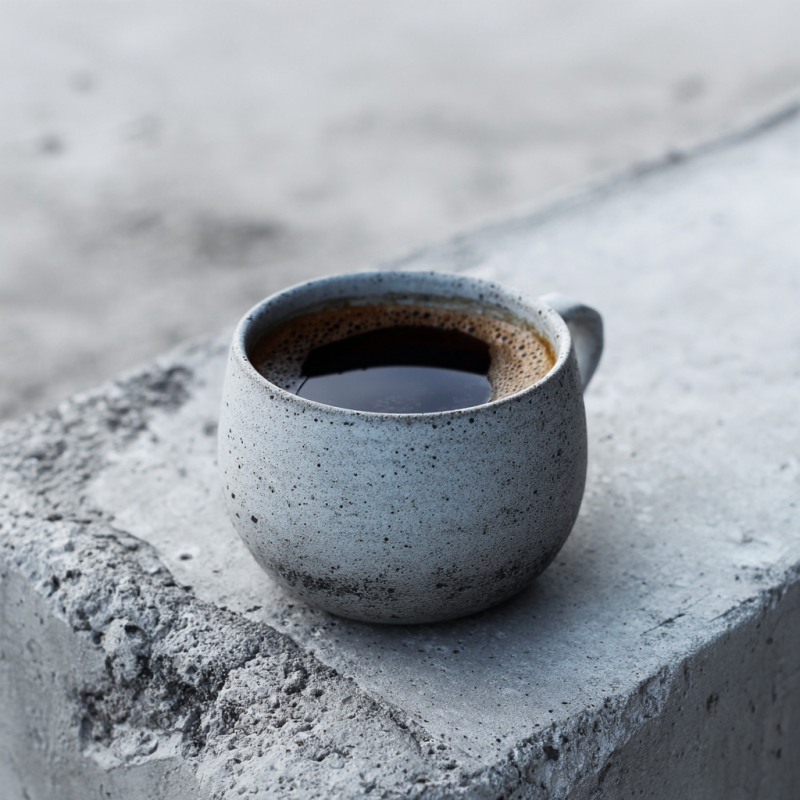
Finding the Micro-Roasters
The first rule of Coffee + Concrete: you won’t stumble across most of these cafés by accident. They’re hidden in plain sight. A graffiti-covered garage door might hide a tiny roasting operation, a side street may lead to a loft café with recycled furniture, or an old warehouse corner could host a barista whose latte art is borderline obsessive.
I’ve spent weeks wandering industrial districts, notebook in hand, tracking the scent of roasted beans through the quiet streets. The aroma is unmistakable: warm, nutty, rich, pulling you toward doors you might otherwise ignore.
One morning, I followed the scent down a cracked alley and found a café that looked abandoned from the outside. Inside, the smell of fresh beans mixed with sawdust from reclaimed wood counters. Vinyl records played faintly in the background. The barista waved, smiled, and asked, “First time?” I nodded, feeling like I’d discovered a secret only locals knew.
The Industrial Charm
There’s something uniquely appealing about a café in an industrial space. High ceilings, exposed pipes, concrete floors, and brick walls create a raw canvas. Every imperfection adds character. Sometimes a giant overhead fan slowly spins, scattering light across the room. Sometimes a mural climbs a wall, unpolished and unfinished.
tcpat-9b96e8-53ba92
It’s not about comfort in the traditional sense. There aren’t velvet chairs or minimalist designs. The charm is in the honesty of the space. The energy of a working roaster or the clatter of grinders adds rhythm, almost like music. You feel the city’s pulse in every corner, from the walls to the cups in your hand.
Cafés with Personality
Each micro-roaster has its own vibe. Some are quiet and meditative, perfect for journaling or sketching. Others hum with conversation and creativity, where laptops share tables with sketchbooks and spontaneous collaborations spring to life.
I remember a café in a repurposed metal shop. The barista had painted the menu by hand on old shipping crates. A couple of local artists were sitting at long communal tables, sketching, talking, and occasionally sipping lattes. The space was alive, not because of decor, but because of people. Creativity seemed to pulse through the air, stirred into the foam of each cappuccino.
The Coffee Itself
Of course, the coffee matters. Micro-roasters take pride in their beans. You’re not getting generic drip coffee; you’re getting single-origin roasts, carefully sourced, roasted on-site, and brewed with precision.
One café I visited roasts its beans daily in a corner of the shop. The smell is intoxicating, warm and nutty, clinging to your clothes long after you leave. Each cup is a small work of art. The barista talks about flavors like a sommelier — hints of chocolate, citrus, or hazelnut. And yes, you’ll taste it. The coffee here isn’t just fuel; it’s an experience.
Hidden Stories Behind the Cups
Every café has stories. I met a barista who left a corporate job to open a tiny micro-roastery in an abandoned warehouse. He wanted a place where people could linger, connect, and slow down. Another café owner started in a garage, roasting beans for friends and neighbors, and gradually turned it into a full-fledged shop.
These stories aren’t just background; they’re the reason these spaces feel alive. You feel it in the cups you hold, in the laughter between tables, in the care that goes into each pour-over. Coffee + Concrete is as much about the people as it is about the caffeine.
Creative Energy in the Industrial Zones
Walking through these districts, you start to notice patterns. Old factories become art spaces, garages become coffee shops, and empty lots host pop-up markets or music nights. It’s like the city is slowly repurposing itself, and micro-roasters are at the center of the transformation.
You’ll see murals on walls outside the cafés, bicycles leaning against fences, and bits of art left in unexpected corners. The energy is casual, chaotic, and inspiring — a playground for anyone looking to connect with the creative undercurrent of the city.
Tips for Exploring Coffee + Concrete
If you want to experience this hidden side of the city:
Follow your nose. The smell of roasting beans often leads you to places you’d otherwise miss.
Go off the main streets. Industrial areas often hide the most unique spots.
Be patient. Some cafés open only a few hours a day, or operate on irregular schedules.
Bring a notebook or camera. You’ll want to capture the textures, art, and atmosphere.
Talk to the baristas. Ask about beans, roasting, and local culture. These conversations are often the highlight of the visit.
Why Coffee + Concrete Matters
There’s a difference between drinking coffee in a standard café and walking into a micro-roastery tucked into a warehouse. You’re not just having a drink — you’re stepping into a small ecosystem of creativity, care, and urban grit.
Coffee + Concrete reminds you to look beyond polished storefronts. The best experiences often hide in unexpected places, behind unmarked doors, under exposed beams, and between the hum of machinery. These cafés show a city alive with energy, ingenuity, and human connection — a city that rewards those willing to wander and explore.
If you’re a traveler, a local, or someone who just loves discovering hidden corners, Coffee + Concrete is a journey worth taking. It’s about finding beauty in unexpected places, tasting care in a carefully brewed cup, and connecting with the people who give these spaces life.
So wander the alleys, peek behind industrial doors, linger over lattes, and soak up the creative energy. These cafés are more than coffee; they’re a window into a city’s soul. And every sip is a reminder that the best discoveries often happen where you least expect them.